Lasting Home Window Setup: Eco-Friendly Choices That Last
Every effective building I have actually serviced, whether a century-old brick duplex or a modern home with tidy lines, has one thing in common: home windows that appreciate both the environment outdoors and the comfort inside. When people speak about lasting upgrades, they often jump to solar panels or heat pumps. Smart choices in home window setup and window replacement can yield gains just as significant, commonly with a far better return per buck spent. The technique is to look past a single label or U-factor and consider whole-system performance, long life, and the carbon behind the product.
Why windows matter more than most home owners think
Windows manage warmth, light, air, and noise. Done right, they lower energy usage in every period, enhance indoor air top quality, and make areas much more comfy. Done improperly, they leakage, haze up, and require your mechanical systems to work tougher. I've seen new homes with extra-large, improperly oriented glazing that felt like saunas in summer season and iceboxes in January. I've additionally seen portable homes with small, well-spec 'd windows that remain silent, bright, and comfy with minimal heating or cooling.
Thermal performance is one of the most evident part, but it's not the whole story. Embodied carbon issues also. A triple-pane home window that lasts 40 or half a century and considerably minimizes home heating tons may offset its production footprint a number of times over, particularly in cooler environments. The option of framework, glazing kind, and setup approach figures out not only effectiveness but just how well the window will hold up against rain, wind, and UV for decades.
Starting where sustainability actually starts: layout intent and orientation
Before touching a directory or spec sheet, map the building's exposure. South-facing windows can be an asset or an obligation relying on overhangs and shielding. West-facing glass is infamous for extreme afternoon gains. North-facing windows invite soft, consistent light with very little heat gain. I ask clients to believe in regards to daytime first, sight 2nd, and solar tons as a budget restraint. On a recent remodel, we lowered total west-facing glazing by 30 percent and shifted square footage to the north and southern. That single action cut the air conditioning load enough to downgrade the air conditioner tonnage.
Even with excellent window items, style mistakes are difficult to overcome. If you're planning a major window substitute, a brief consult with an energy modeler or a building contractor that actually tracks cooling and heating lots is cash well invested. This upstream reasoning is one of the most sustainable step in the entire process.
Frame materials and their environmental trade-offs
Frames are not practically appearances. They influence thermal bridging, air leakage, sturdiness, and recyclability. Right here is just how I review them on genuine projects.
Wood. Still the benchmark for historical homes and for clients who demand cozy insides. Timber is sustainable, and reliable wood frames with factory-applied coatings can last decades. The caveat is upkeep. In wet climates, overlooked wood will deteriorate, particularly at sill and edge joints. Look for FSC-certified lumber, appropriate end-grain securing, and aluminum-clad outsides if you intend to minimize upkeep. Symbolized carbon can be beneficial, particularly when compared to aluminum.
Fiberglass. My best for numerous high-performance builds. Pultruded fiberglass has low thermal expansion, so seals last much longer. It approves paint, withstands rot, and provides good thermal resistance when paired with foam-filled frames. Fiberglass production has a carbon footprint, however the longevity is exceptional. In chilly environments, fiberglass structures with three-way polishing execute dependably without the warping that pesters some vinyl.
Vinyl (uPVC). Budget-friendly, decent thermal performance, and widely readily available. The disadvantage is lasting stability in rough sun, prospective brittleness over years, and a reusing stream that drag steels or timber. I have actually changed 15-year-old vinyl home windows that were chalky and had seals falling short. If plastic is the only budget-friendly choice, select a brand with bonded frames, enhanced conference rails, and tried and tested UV stablizing additives.
Aluminum. Extremely durable and slim profiles, however bare light weight aluminum conducts warm like a radiator. Thermal breaks are necessary, yet even the best thermally broken aluminum commonly tracks fiberglass in whole-window U-factors. In hot climates where structural needs, cyclone ratings, or big periods are a top priority, aluminum can make good sense. From a sustainability point ofview, seek recycled material. Light weight aluminum recycling has much lower energy input than key smelting.
Composite and wood-fiber blends. These differ widely. Some deliver wood-like security with improved wetness resistance, others seem like marketing rebrands of vinyl. Ask for third-party performance data, consider expansion and contraction rates, and evaluate cut areas in person if possible.
If I needed to generalise, fiberglass and well-made wood-clad home windows strike the most effective long-term equilibrium for effectiveness and upkeep. Yet the environment, direct exposure, and spending plan will tip the scales.
Glazing selections that really matter
Once you have a framework instructions, the glass controls comfort and energy use. The majority of homes today mount double-pane insulated polishing devices (IGUs) with low-e finishings. In colder areas or homes chasing after deep power cuts, triple-pane glazing makes its keep.
U-factor. Measures warm transfer. Lower is much better. Double-pane low-e home windows commonly land in between 0.25 and 0.30 Btu/hr-ft ²-F. Good triple-pane devices can go down to 0.15 to 0.20. That difference is noticeable on a cool morning when you stand near the glass.
Solar Heat Gain Coefficient (SHGC). This identifies just how much solar power travels through. In heating-dominated environments, a higher SHGC on south-facing windows can be beneficial in wintertime. In cooling-dominated climates or on west elevations, lower SHGC helps control overheating. I commonly mix coatings around your house: greater SHGC where winter season sunlight is preferable, lower SHGC where summer season glare is the enemy.
Visible Passage (VT). The percentage of noticeable light that makes it through. A deep color can go down cooling lots yet makes rooms really feel dim. Well balanced choices issue. I go for VT values that maintain daylight levels near 30 to 50 foot-candles in living locations throughout the day without synthetic light.
Gas load and spacers. Argon is standard, cost-effective, and steady. Krypton boosts performance in narrow dental caries and shows up in some triple-pane devices. Warm-edge spacers considerably decrease condensation at the border. Avoid light weight aluminum spacers if condensation is a worry, especially in chilly climates.
Acoustics. If you live near website traffic or flight courses, lamination or dissimilar glass densities can cut sound without trashing thermal efficiency. I've retrofitted laminated indoor panes on an active street and enjoyed indoor noise degrees stop by roughly 5 to 8 dB, which feels like halving the website traffic volume.
Condensation danger commonly obtains overlooked. In damp interiors or chilly climates, edges of the glass and frameworks can accumulate wetness. Great spacers, thermally busted structures, and proper moisture control inside the home are all part of the equation.
Embodied carbon and lifecycle thinking
Energy usage throughout operation controls in most climates, but ahead of time exhausts are not trivial. Triple-pane devices evaluate more and use more products than double-pane choices, so you desire those added layers to make their maintain for decades. This is where setup quality and durability intersect with sustainability.
Look for Environmental Product Statements (EPDs) when offered. Support producers with recycled material in light weight aluminum, FSC-certified wood, and recorded factory surfaces reduced in volatile natural substances. Inquire about repairability. Can you replace just the IGU when seals ultimately fail, or does the entire sash need changing? A functional home window buys back symbolized carbon over a longer life.
I once examined a 25-year-old business building with thermally damaged light weight aluminum home windows. The IGUs had actually fallen short, but the structures were fine. The proprietor switched glass systems and gaskets, prevented a land fill journey with dozens of frameworks, and reduced symbolized discharges contrasted to a complete rip-out.

The covert job: proper setup is half the performance
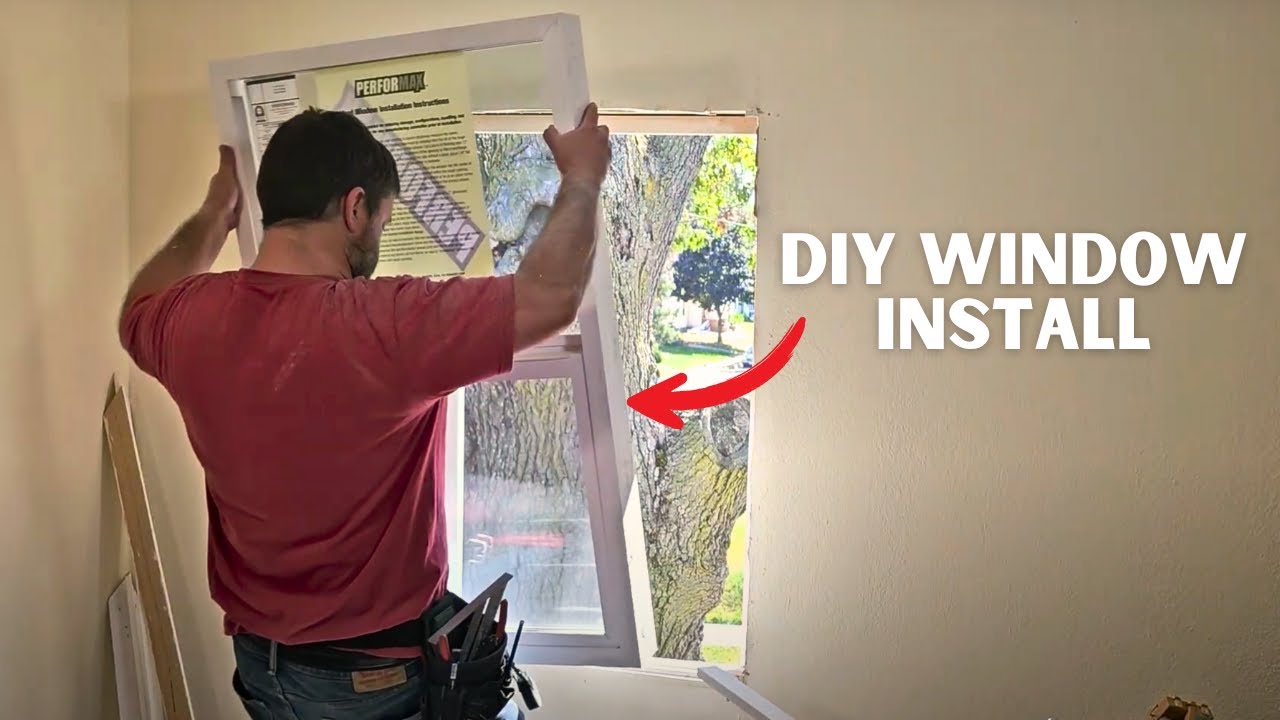
You can buy a wonderful home window and still get bad outcomes with careless installment. Air leak, water breach, and bolt blunders are the normal suspects. Lasting home window setup means securing to framework without endangering thermal layers, managing water with positive laps, and incorporating the devices with the structure's air barrier.
There are 2 archetypes: substitute inserts and full-frame installations. Insert window substitute glides a brand-new unit right into the existing frame. It's faster, less costly, and prevents disturbing outside cladding or indoor trim. The compromise is that you maintain the old frame and any surprise damage or bad insulation around it. Full-frame replacement reveals the harsh opening, allows you to resolve rot, upgrade insulation at the jambs, and integrate with modern-day flashing and membrane layers. On pre-1980s homes with combined fixings, I prefer full-frame replacement because it resets the water and air management.
Water administration starts at the sill. If I see a flat harsh sill, I add incline with a beveled shim or a pre-formed sill frying pan. The window should sit on a frying pan that guides any incidental leakages out, not right into the framing. Self-adhered flashing need to layer shingle-style, beginning at the sill, after that jambs, after that head. A lot of installs reverse this order and catch water.
Air sealing is more than a squirt of foam. Usage low-expansion foam or backer rod and top quality sealants at the indoor air obstacle line. On the exterior, consider a ventilated rainfall display and do not rely on exterior caulk as the key defense. I check by running a blower door throughout installment on high-performance projects. Also a few pascals of pressure can disclose leakages around flanges or spaces that eyeballs miss.
Fastening and shimming require persistence. Shims need to align near hinge points to avoid sash bind. Over-driving screws on composite frameworks can misshape the device and affect operation. I've seen performance-grade home windows head out of square by 1/8 inch ahead, creating lock misalignment and air leaks. A level and a tape are insufficient. Examine diagonals.
Balancing durability and maintenance
The greenest window is one that remains limited and useful for decades. That implies thinking about coatings, gasket durability, UV exposure, and hardware quality.
Factory-applied coatings outshine site-applied paints in uniformity and adhesion. If you require a custom-made shade, request for factory ending up. Pay attention to equipment finishes in coastal or high-salt areas. Stainless or powder-coated elements stay clear of matching and stuck locks. For wood frameworks, a regular maintenance routine matters even more than the initial species choice. A light sanding and recoat every couple of years defeats a full substitute in 15.
Interior condensation dangers can be managed with far better ventilation, balanced humidity, and avoiding window treatments that catch wet air against cool glass. I've seen remarkable installments criticized for condensation that was actually caused by humidifiers established expensive in winter.
Retrofitting historical and older structures without shedding character
Historic homes offer an extra obstacle. Initial timber home windows with wavy glass might carry social worth and, if recovered with interior storms, can rival the efficiency of mid-range replacement units. I have actually dealt with a craftsman that reglazed, weatherstripped, and tuned up 1920s double-hungs, after that included low-e indoor storms. The result was a reputable U-factor, considerably improved comfort, and no land fill waste. The symbolized carbon win was substantial.
When replacement is required, look for accounts that match sightlines and muntin patterns. True separated lites can be thermal weak points; substitute divided lites with spacer bars can simulate the appearance while protecting efficiency. Prevent chunkier, off-the-shelf devices that modify the facade. Sustainability consists of architectural honesty that keeps buildings out of the demolition cycle.
Managing expense without reducing the incorrect corners
Budgets are genuine. Below is exactly how I prioritize spending when expense stress hits.
- Put cash into setup high quality and air sealing before splurging on one of the most exotic glazing. A well-installed double-pane can outshine a poorly set up triple-pane on comfort and durability.
- Target the most awful exposures first. West-facing and windward altitudes typically deliver the largest gains per dollar.
- Mix and suit. Usage triple-pane systems where you most need them, such as bedrooms or living rooms with large spans, and utilize high-quality double-pane elsewhere.
- Keep framework counts down. A bigger system with fewer mullions commonly sets you back less and carries out better than several tiny devices sewed together.
- Use refunds and funding connected to power efficiency rankings. Several utilities and programs provide motivations for Energy Star The majority of Reliable or comparable criteria.
Smarter options for new building and construction vs retrofits
In brand-new construction, you manage the rough openings, air barrier, and sequencing. This is a present. Choose incorporated home window dollars or thermally damaged dollars at masonry openings. Strategy sill pan information prior to framing begins. Pair windows with outside insulation to ensure that frames sit in the insulation layer as opposed to interrupting it. When the home window aligns with the thermal layer, thermal linking plummets.
In retrofits, the structure comeback. Out-of-square openings, layered claddings, and unidentified damages prevail. In older stucco homes, getting rid of the old fin without splitting the facade requires skill and often partial stucco patching. If you're attempting to stay clear of exterior disruption, an insert window substitute can be ideal, but only after you've probed for rot and examined the initial structure's alignment and integrity.
I utilize a borescope through the old window replacement Austin TX casing to check for wet insulation or decay before deciding. If I find darkened sheathing or punky timber, I promote full-frame substitute and seize the day to include home window flashing that simply really did not exist when your house was built.
Operational performance and human comfort
Lower energy bills are the headline. Comfort is what customers keep in mind. Good home windows cut radiant asymmetry, which is that bone-deep cool you feel sitting near a chilly pane in wintertime. With triple-pane glass and low U-factors, you can place an analysis chair right close to a huge home window without drafts or chilly radiation. In summer, spectrally selective layers reduced near-infrared warmth while preserving daylight high quality, which lowers reliance on fabricated lighting.
Tune blinds or outside shielding to deal with the home window's SHGC. In one sun parlor, we incorporated a mid-SHGC south polishing with a specific overhang depth. Winter season sunlight got to the flooring by a couple of feet, summer season sun remained off the glass totally. No motorized shades, no complicated automation, simply geometry and a pencil.
Ventilation, operability, and health
Fixed home windows perform ideal thermally, yet a sealed residence without operable home windows can be a comfort trap. Natural cross-ventilation minimizes cooling needs during shoulder seasons and improves interior air high quality. I prefer sashes in windy areas because they secure much better against compression gaskets than sliders. Awnings can stay open during light rain, which urges real-world use.
Screens deserve attention. Fine-mesh, low-visibility displays preserve views and minimize representations. If you intend to maintain windows open up at dusk without welcoming insects, buy limited screens with resilient frameworks and corner joints. Customers are even more likely to ventilate if the experience is pleasant.
Installation sequencing with other envelope work
Windows shouldn't be set up alone when the rest of the envelope is being updated. If you're including exterior continual insulation or a brand-new rainfall display, set home window deepness to straighten with the insulation airplane. Use extenders or goes back to finish jambs easily. This detail matters both for thermal continuity and aesthetics. Nothing looks more like an afterthought than a thick wall airplane with windows recessed an inch also far back without appropriate trim transitions.
Coordinate with HVAC. A huge window ACCOLADE WINDOWS aluminum windows Austin upgrade can alter heating and cooling down loads. I've scaled down devices by 10 to 25 percent after a full high-performance home window plan, which reduces in advance expense and enhances system performance. Alert your cooling and heating contractor early so they can re-run Guidebook J, S, and D calculations.
Verifying performance as opposed to relying on labels
Labels provide you a starting factor. Field confirmation keeps everybody straightforward. On deeper energy retrofits, I run a blower door test after window installation and prior to last indoor trim. A fog equipment or smoke pencil reveals leakages at frame-to-wall interfaces. Thermal imaging on a chilly morning can highlight chilly linking around badly protected jambs. Repairs at this phase are affordable contrasted to callbacks a year later.
Condensation resistance can be examined during the very first cold snap. If you see consistent wet sides, ask whether interior humidity is too expensive or if spacer selection and interior boundary insulation are doing not have. This is not a cosmetic trouble. Persistent condensation draws in mold and mildew and weakens finishes.
Waste decrease and accountable disposal
Old windows are heavy, sharp, and unpleasant. Great teams deal with removal like a salvage procedure, not demolition. Reuse is feasible for strong timber sashes in outhouses, greenhouses, or art jobs, though that is a particular niche. A lot more practically, different aluminum structures for recycling. Several glass systems can not be recycled in basic streams as a result of finishings and laminations, but some areas approve IGUs with specialized programs. At a minimum, maintain debris arranged to reduce land fill quantity and cost.
If lead paint is present, comply with EPA RRP regulations or comparable. Record dust, use correct containment, and secure employees and passengers. Environmental stewardship includes exactly how you manage the old materials, not simply what you install.
A short reality check on repayment and expectations
Not every home warrants triple-pane everywhere, and not every home owner sees a remarkable energy drop after home window replacement alone. If the attic room is uninsulated or air leaks abound at the rim joist, those can outweigh window losses. Windows belong to a plan. I urge clients to run a simple stack: air securing and insulation, after that windows, after that HVAC right-sizing. When staged smartly, windows amplify the gains from the rest of the envelope, and vice versa.
Financial repayment varies. In chilly environments with high gas costs, a shift from leaking, single-pane systems to well-installed dual or triple-pane windows can slice home heating usage by 15 to 30 percent, often extra if the original frameworks were failing. Comfort benefits are instant and frequently surpass the value of easy power financial savings in the eyes of homeowners.
What a sustainable home window installation resembles on site
Picture a crew that outlines sill frying pans prior to the initial system comes off the pallet. They dry-fit the window, check plumb and square, then mark shim locations that line up with hardware loads. They fasten through designated points, recheck procedure, then integrate self-adhered flashing in the best order. On the interior, they secure the air obstacle with a backer pole and a high-performance, adaptable sealer. They shield the gap with low-expansion foam, trim the unwanted, and cap the exterior just after testing for smooth procedure under wind tons from the blower door.
That sequence takes even more time than a fast set-and-caulk method. It is additionally the distinction between a 5-year problem and a 30-year solution.
Simple house owner checks after installation
- Open and shut each sash. Latches ought to line up without requiring, and operation needs to feel smooth throughout seasons.
- Inspect the sill for appropriate slope and weep paths. Pour a little mug of water at the exterior to validate drainage.
- On a windy day, utilize a smoke pencil or incense stick at the interior border to look for leaks.
- Look for consistent reveals around the sash. Irregular voids mean frame distortion or inadequate shimming.
- Confirm paperwork. Maintain NFRC tags, service warranty details, and maintenance directions for future reference.
Bringing everything together
Sustainable windows are not just reliable glass. They are thoughtful options regarding frame products, finishings, and positioning, backed by mindful window installation that values physics and water. The best decision depends upon climate, sun direct exposure, existing problems, and just how the structure is used. A family that chefs thoroughly and maintains interior humidity high requirements a lot more margin versus condensation. A hillside home lashed by wind needs robust hardware and compression seals. A historic cottage may be ideal offered by brought back wood sashes and interior tornados as opposed to wholesale replacement.
If you take one lesson forward, allow it be this: buy the details you can not see. Frying pan the sill, lap the blinking, secure the air barrier at the inside, and established the system square with shims that support the lots paths. Choose resilient products that age well in your climate. Mix glazing kinds to suit altitudes rather than getting one-size-fits-all. Those options last longer than trends, save energy everyday, and make a home that really feels silently comfy in any type of season.
Sustainability is ultimately about time. A home window that remains tight, dry, and clear for decades safeguards the structure, reduces energy need, and maintains resources in solution as opposed to in a landfill. With clever style up front and regimented implementation on site, your next window substitute can be among the most long-lasting upgrades you make.